


Victory: Salmon beat sprawl in Port Orchard
John Talberth • February 5, 2026
Army Corp of Engineers withdraws permit application for Home Depot project that threatens salmon
Late last year, CSE and the Kitsap Environmental Coalition (KEC) teamed up to call on the Army Corp of Engineers to deny a permit application for a new Home Depot commercial center adjacent to into Blackjack Creek, one of Puget Sound's most productive salmon streams and one that is part of the ancestral fishing grounds of the Suquamish Tribe. Our concerns were that nearly 2 acres of new impervious surface created by the project would generate over 2.2 million gallons of new stormwater runoff contaminated with the toxin 6PPD-Q - the second most toxic substance to marine organisms ever identified.
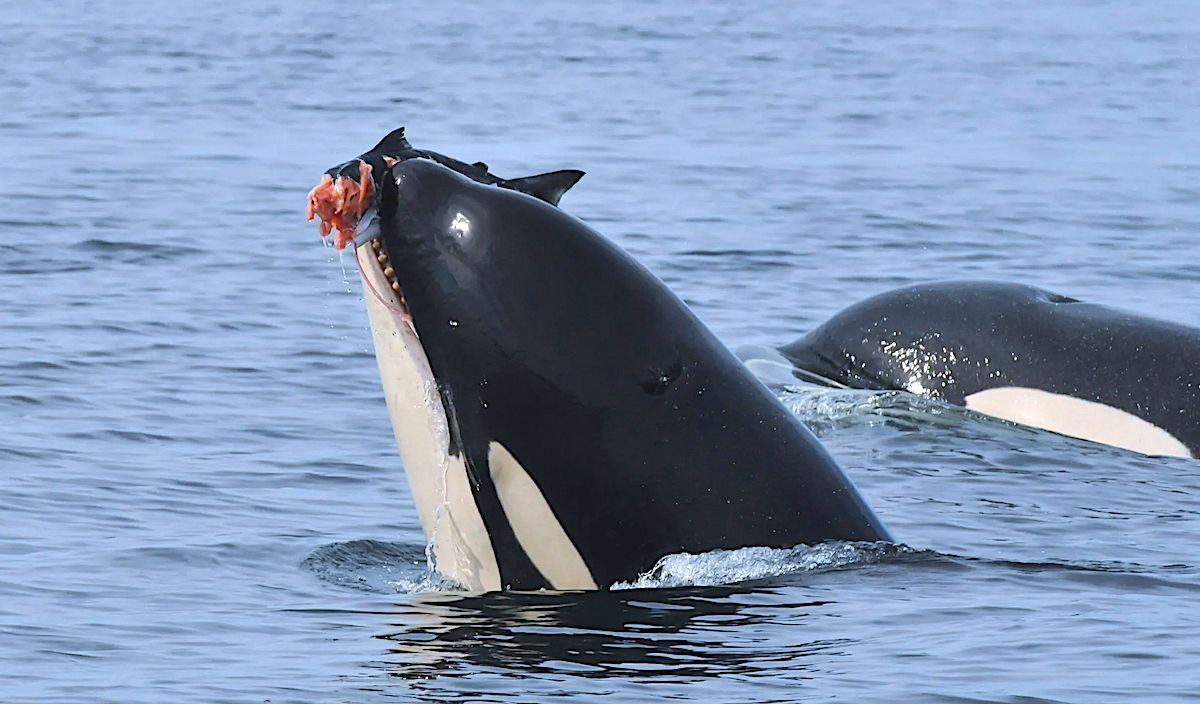
Generated through oxidation of 6PPD – a chemical used in almost every tire on the road today – 6PPD-q is present in runoff from high traffic roadways and big parking lots associated with strip malls and commercial centers like Home Depot. This runoff, if untreated, enters streams and rivers where coho, Chinook and steelhead spawn and can cause both lethal and sub-lethal effects (i.e. lower reproductive success) on these species and their predators, like Orcas, who routinely starve due to reductions in their prey base.
CSE has just learned that the permit application has been withdrawn because Home Depot failed to respond to the CSE-KEC comments and others, including those filed by the Suquamish tribe. This underscores how important it is to be monitoring these land use decisions and weighing in with detailed comments and analysis calling attention to threats from 6PPD-Q, other pollutants, and the loss of wetlands and other native habitats.
Because the project would have involved disturbance to streams and wetlands, a Clean Water Act Section 404 permit was required from the Army Corp of Engineers before work could begin. The permit issuance would need to comply with the Endangered Species Act, the National Environmental Policy Act, and other federal laws. As a condition of approval, CSE-KEC asked the Army Corps to require mitigation measures in the form of advanced stormwater treatment technologies that include porous pavement, filtration boxes, and biofiltration systems like constructed wetlands. No such treatments were being proposed by Home Depot.
In a 12-page comment letter submitted on October, 10th, 2025, CSE and Kitsap Environmental Coalition asked the Seattle District of the Army Corp to withhold issuing the permit until the agency consults with NOAA Fisheries over ways to reduce the adverse effects of the new stormwater runoff generated by the project on five ESA-listed species:
- Puget Sound/Georgia Basin distinct population segment (DPS) of bocaccio (Sebastes paucispinis) – endangered.
- Puget Sound Chinook (Oncorhynchus tshawytscha) – threatened.
- East Kitsap steelhead distinct individual population (Oncorhynchus mykiss) – threatened.
- The Puget Sound/Georgia Basin distinct population segment of yelloweye rockfish (Sebastes ruberrimus) – threatened.
- The southern resident distinct population segment of orcas (Sebastes ruberrimus) – endangered.
CSE-KEC also asked the Army Corp to prepare an individual environmental assessment or environmental impact statement on the permit rather than permitting it under one of the generic, blanket permits used to approve more routine activities. Because the Home Depot project is likely to generate significant environmental impacts – including impacts to ESA-listed species – these blanket permit approvals are not appropriate.
While this project has been halted, for now, CSE and its partners will continue to monitor Army Corp notices and reengage with this project should Home Depot try again. Given our success here, we are seeking support for expanding our work to monitor and challenge land use decisions throughout the Puget Sound region.
Read: CSE-KEC Comment Letter 10-10-25